
Description
Porcelain Etch Gel – 9.6% Hydrofluoric Acid Etchant
Achieve exceptional ceramic bonding results with Prevalent Porcelain Etch Gel, a professionally formulated 9.6% buffered hydrofluoric acid etchant specifically designed for intraoral and extraoral conditioning of porcelain, ceramic, and glass-based dental restorations.
Advanced Buffered Formulation
Prevalent Porcelain Etch Gel utilizes a precisely balanced 9.6% hydrofluoric acid concentration in a buffered gel base to create optimal micro-porous surfaces on silica-based ceramics, dramatically enhancing both mechanical retention and chemical bonding potential.
Superior Surface Conditioning
The gel creates a highly retentive micro-mechanical surface that significantly improves:
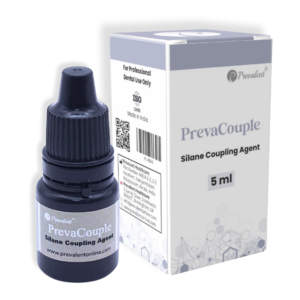
Silane coupling agent adhesion (use with PrevaCouple)
Resin cement bond strength (PrevaCem DC compatibility)
Composite material retention
Long-term restoration stability
Resistance to debonding and microleakage
Comprehensive Clinical Indications
Cementation Applications:
✓ Porcelain veneers (anterior and posterior)
✓ Ceramic inlays and onlays
✓ All-ceramic crowns and bridges
✓ Lithium disilicate restorations (e.max, etc.)
✓ Feldspathic porcelain preparations
✓ Leucite-reinforced glass ceramics
✓ Pressed ceramic restorations
✓ CAD/CAM ceramic blocks
Repair and Reconditioning:
✓ Intraoral repair of fractured porcelain restorations
✓ Chairside ceramic repair procedures
✓ Surface treatment of aged porcelain
✓ Old macro-filled composite restoration conditioning
✓ Failed restoration rebonding
✓ Ceramic surface rejuvenation
Frequently Asked Questions
Q1: What is Porcelain Etch Gel used for?
A: Porcelain Etch Gel is used to condition and prepare silica-based ceramic and porcelain surfaces before bonding. It creates a micro-porous surface that dramatically improves the mechanical and chemical bond strength of silane coupling agents, resin cements, and composite materials used in cementation and repair procedures.
Q2: Why is the concentration 9.6% hydrofluoric acid?
A: The 9.6% concentration is the optimal balance between effective etching and safety. It provides complete surface conditioning in 90 seconds while minimizing the risk of over-etching that could weaken the ceramic restoration. This concentration is widely recognized as the professional standard for dental ceramic etching.
Q3: What does “buffered” mean in the product description?
A: “Buffered” means the hydrofluoric acid is formulated with compounds that stabilize the pH and control the etching rate. This buffering provides more predictable results, better handling characteristics, and improved safety compared to non-buffered acids.
Q4: How is this different from phosphoric acid etch gel?
A: Phosphoric acid (used for enamel and dentin) does NOT work on ceramics. Hydrofluoric acid is specifically required to etch silica-based materials like porcelain and glass ceramics. They are completely different products for different purposes and are NOT interchangeable.
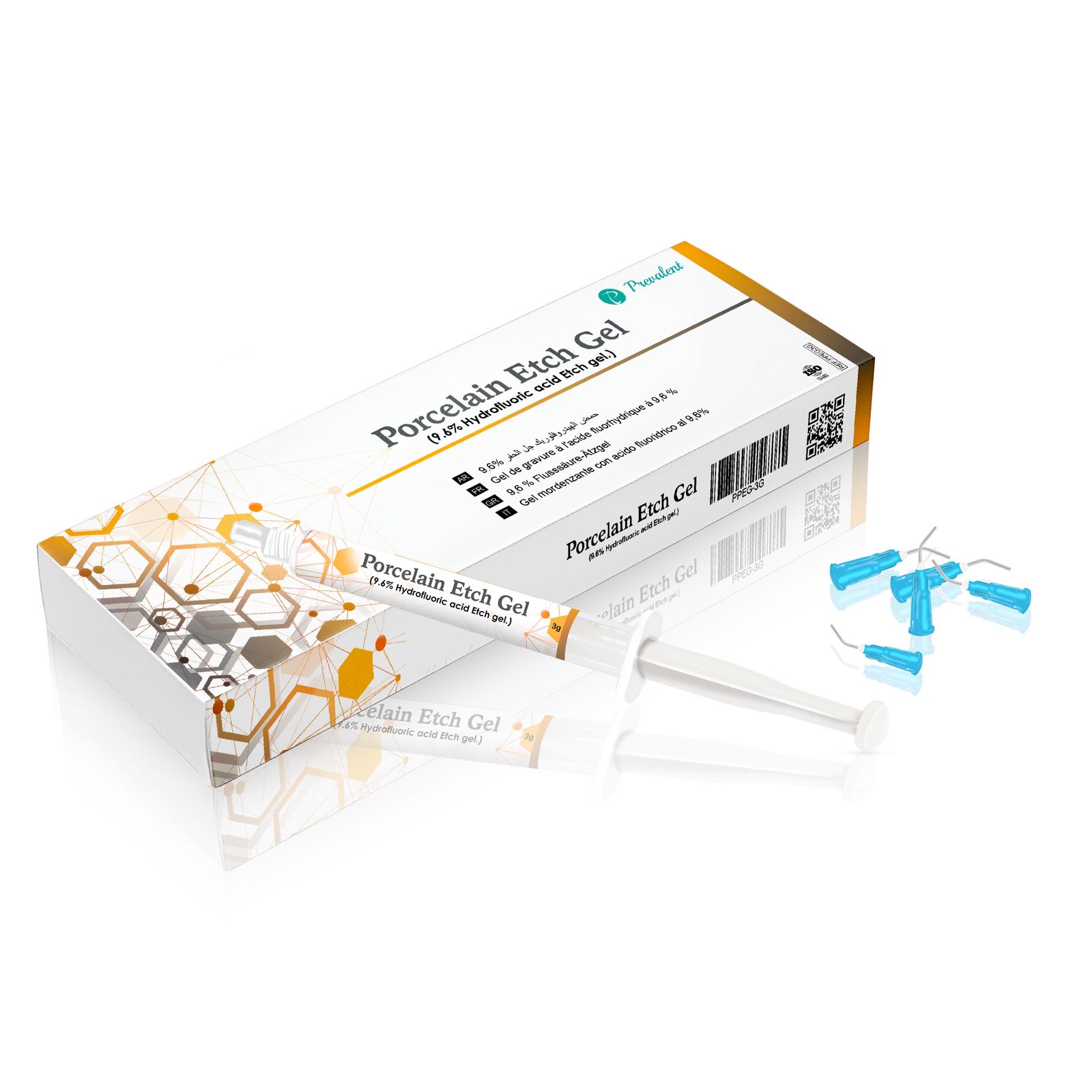
Q5: Is the 3g syringe sufficient for multiple cases?
A: Yes, the 3g syringe contains enough material for multiple applications. A thin layer is all that’s needed per restoration, so one syringe can typically handle numerous veneers, crowns, or repair cases depending on surface area.
Q6: How long exactly should I etch the porcelain?
A: The recommended etching time is exactly 90 seconds. Set a timer to ensure accuracy. Do NOT exceed this time, as over-etching may compromise the structural integrity of the ceramic restoration.
Q7: What should properly etched porcelain look like?
A: Properly etched porcelain should appear dull, matte, or frosty—like frosted glass. The surface should have lost its glossy, shiny appearance. If it still looks shiny or glossy after etching and rinsing, the etching was insufficient.
Q8: Can I use this on zirconia restorations?
A: NO. Hydrofluoric acid is ineffective on zirconia and alumina ceramics because they don’t contain silica. These materials require different surface treatments such as sandblasting and specific primers. Using HF acid on zirconia is ineffective and potentially harmful.
Q9: Can I use this on tooth enamel or dentin?
A: Absolutely NOT. Hydrofluoric acid will severely damage tooth structure. For enamel and dentin, use phosphoric acid etchants specifically designed for those substrates.
Q10: Is rubber dam isolation really mandatory?
A: YES, absolutely mandatory for ANY intraoral use. This is not optional. Hydrofluoric acid causes severe burns to soft tissues. Rubber dam isolation is a critical safety requirement that protects the patient and ensures professional standard of care.
Q11: What protective equipment is required?
A: MANDATORY protective equipment includes: (1) Protective eyewear for both clinician and patient, (2) Acid-resistant (nitrile) gloves, (3) Protective clothing/lab coat, (4) Rubber dam for intraoral isolation, (5) Soft tissue barriers (light-cured gingival barrier or petroleum jelly), (6) Readily accessible neutralizing agent (sodium bicarbonate solution).
Q12: What should I do if the gel contacts skin?
A: IMMEDIATE action required: (1) Remove contaminated gloves immediately, (2) Rinse affected area with copious water for 15+ minutes, (3) Apply calcium gluconate gel if available, (4) Seek immediate medical attention even if pain is minimal, (5) Inform medical personnel of hydrofluoric acid exposure. Do NOT delay—early treatment is critical.
Q13: What if the gel gets in a patient’s eye?
A: This is a MEDICAL EMERGENCY: (1) Immediately flush eye with water for 15+ minutes, (2) Hold eyelids open to ensure thorough rinsing, (3) Remove contact lenses if present and safe to do so, (4) Call emergency services, (5) Transport to emergency facility immediately while continuing to rinse, (6) This can cause permanent vision loss—immediate medical intervention is critical.
Q14: Why must I have a neutralizing agent available?
A: A neutralizing agent (sodium bicarbonate solution or specific HF neutralizing gel) can help neutralize any accidental acid spills or splashes, reducing the severity of exposure. It must be immediately accessible—within arm’s reach—not across the room. In HF exposure, seconds matter.
Q15: Do I need to use silane after etching?
A: YES, absolutely. Etching creates mechanical retention through micro-pores, but silane provides essential chemical bonding between the ceramic and resin materials. Skipping silane significantly reduces bond strength. Always follow etching with silane application (PrevaCouple recommended).
Q16: How long should I rinse after etching?
A: Rinse with a strong water spray for a MINIMUM of 60 seconds. Longer is better. Inadequate rinsing leaves acid residue that can: (1) Compromise bonding, (2) Cause tissue irritation, (3) Contaminate the bonding interface. Thorough rinsing is critical for both safety and clinical success.
Q17: Can I etch multiple restorations at once?
A: For safety and quality control, it’s recommended to etch one restoration at a time. This ensures proper timing for each surface and maintains better control over the procedure. If etching multiple units, work systematically and use a timer for each one.
Q18: What cement should I use after etching?
A: After etching and silane application, use a resin-based luting cement. PrevaCem DC dual-cure resin cement is specifically designed for this purpose and provides excellent bond strength with etched ceramics. Zinc phosphate or glass ionomer cements will not achieve optimal bonding with etched ceramics.
Q19: Can this be used for chairside ceramic repairs?
A: Yes, it’s excellent for intraoral porcelain repairs. However, rubber dam isolation is absolutely mandatory. Etch the damaged porcelain surface for 90 seconds, rinse thoroughly, apply silane, and bond with composite resin. This creates a strong, durable repair.
Q20: How long does it last after opening?
A: When stored properly with cap tightly closed, the product remains effective until the expiration date (3 years from manufacture). Always check the expiration date before use and never use expired product.
Presentation
Ref.No: PPEG3G- Porcelain Etch Gel – 1x3gm Syringe, Applicator Tips, Manual
Reviews
There are no reviews yet.